A first listen matters.
But it does not always deserve the final word.
That is not an argument against instinct.
Sometimes the first thirty seconds tell you exactly what you need to know.
A voice irritates you.
A chorus hits so hard you restart the song before it finishes.
A production choice makes you want to leave immediately.
Those reactions are real.
They are part of listening.
They are just not necessarily permanent.
We Hear New Music Without Context
The first time through, everything is arriving at once.
Melody, lyrics, voice, production, structure, tone and expectation all arrive at once.
Maybe we are driving, working, scrolling or talking while we listen.
Maybe somebody told us the album was a masterpiece and now it has to fight that sentence before it gets to make its own case.
Maybe we hate the artist's previous record.
Maybe we love them so much that disappointment is almost guaranteed.
A first listen is not neutral.
It is one encounter under one set of conditions.
Familiarity Changes Music
There is no magic number of listens after which a song reveals its truth.
But familiarity clearly changes the experience.
A strange structure becomes predictable.
The chorus you thought was missing turns out to arrive differently.
A lyric you barely registered becomes the reason you return.
Production that initially felt cluttered starts revealing relationships between sounds.
Or the opposite happens.
The novelty wears off and the thing you thought was exciting turns out to have very little underneath it.
Repetition is not automatically improvement.
It is information.
Some Songs Need You to Know Where They Are Going
There are records built around delayed gratification.
The first half of a song is setting up a release you cannot anticipate yet.
The final track changes how the opening track feels.
A motif returns.
A lyric means more once another song gives it context.
On first listen, you cannot know any of that.
You are hearing forward.
On the second, fifth or twentieth, part of you is hearing backward too.
Expectation becomes part of the music.
Sometimes Life Has to Catch Up
There are songs I think we hear before we are ready for them.
Not in a mystical way.
We simply lack the experience that makes the song legible.
A lyric about aging lands differently when aging has stopped being theoretical.
A song about grief changes after grief.
A relationship song can sound romantic at one age and deeply unhealthy at another.
The recording did not wait.
We changed.
Then suddenly the song has somewhere to attach.
Live Performance Can Rewrite the Studio Version
This happens constantly.
A song you skip becomes the highlight of the show.
Maybe the band changes the arrangement.
Maybe the singer slows it down.
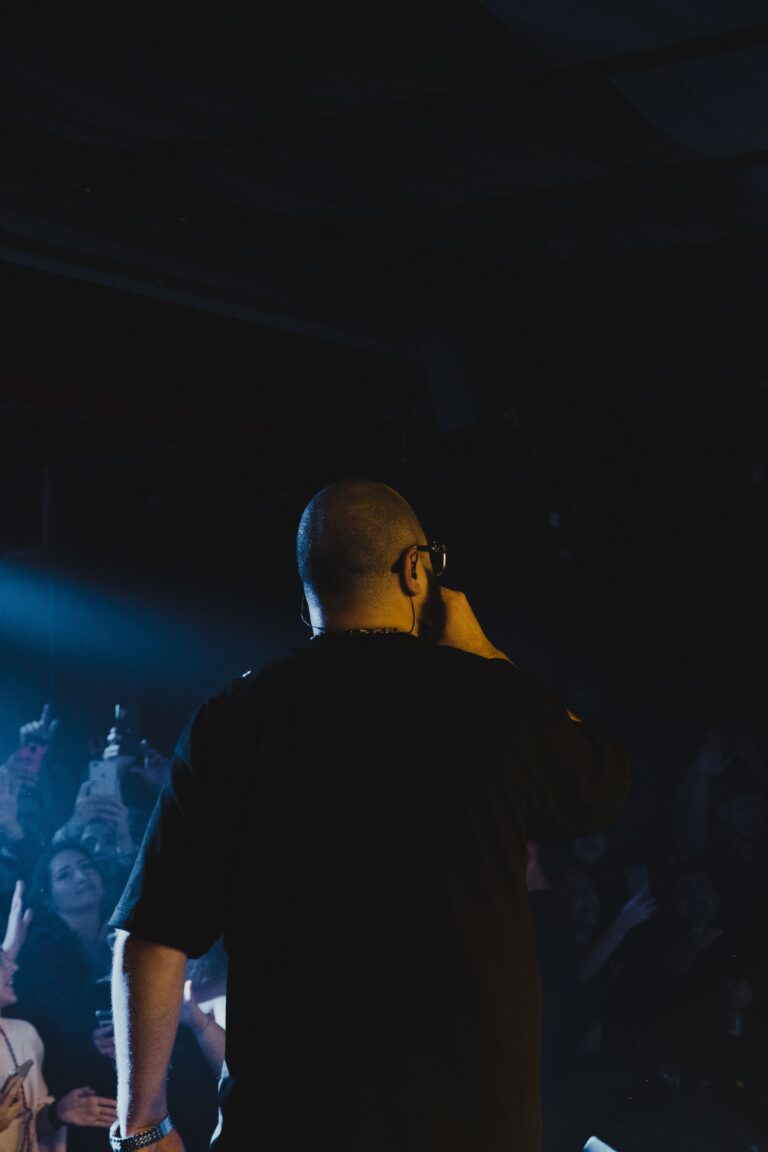
Maybe the audience carries a chorus in a way headphones never could.
Maybe you finally understand the scale the song was reaching for.
Then you go home and the studio recording sounds different.
Nothing in the file changed.
The live memory is now playing with it.
The reverse can happen too.
A song you love on record can feel flat in the room.
That is also useful information.
Another Person Can Change Your Attention
Someone says:
Listen to the bass line.
Listen to what happens under the second verse.
This lyric is the whole song for me.
Now you cannot unhear it.
They did not change the recording.
They changed what you were paying attention to.
Criticism can do this at its best.
Not:
You are wrong; the album is good.
But:
Here is what I heard. Try listening from this angle.
You may still hate it.
At least the conversation gave the music another chance to reveal itself.
Hype Can Make Listening Harder
There are albums we meet after the verdict has already been written.
Classic.
Masterpiece.
Album of the year.
Career-defining.
Then you press play and think:
This?
That gap can become part of the reaction.
Instead of hearing the music, you are hearing everybody else's praise around it.
The same thing happens with backlash.
If a popular artist is treated as unserious before you listen, you may hear through that expectation too.
Context does not only help music.
It can get in the way.
Canonical Music Has a Particular Problem
There are records we are told are important before we know whether we like them.
The Beatles.
Joni Mitchell.
Radiohead.
Prince.
Miles Davis.
Beyoncé.
Whoever occupies that role in the musical world you are entering.
Historical importance can be true and still create terrible listening conditions.
Sometimes the most useful thing is to forget the assignment.
Not:
Why is this a masterpiece?
Just:
What is happening to me while I listen?
Maybe the answer is nothing.
That is allowed.
Popular Music Can Have the Opposite Problem
If everybody loves something, it can be easy to decide it must be shallow.
Familiarity can disguise craft.
A giant chorus can look obvious after millions of people have already learned it.
Popularity can create its own bias.
Sometimes revisiting a huge song with deliberate attention reveals choices we stopped hearing because the song became cultural wallpaper.
The second listen is not only for difficult experimental records.
Context About the Artist Can Change the Song
You hear an interview.
Learn what the producer was trying to do.
Discover the singer was playing a character.
Find out the song was written for a film.
See the original version before a cover transformed it.
Learn the artist does not interpret the lyric the way you do.
All of that can alter the next listen.
Sometimes for the better.
Sometimes the explanation makes the song smaller.
Again, no universal rule.
A Film Can Do It
You have heard the song for years.
Then it appears in a scene.
Now the image is attached.
A track you barely noticed suddenly carries emotional weight.
Or a song you loved becomes impossible to separate from a fictional character.
The next listen is technically the hundredth.
Emotionally, it might be the first.
A Cover Can Do It
Same words and melody; different voice, tempo and arrangement.
Suddenly you hear the composition rather than the recording you already knew.
Then you go back.
The original changes too.
Covers can be extraordinary listening teachers.
They reveal which parts of a song are fixed and which parts were only one artist's solution.
Criticism Should Be Allowed to Move
There is pressure in criticism to sound certain.
You publish an opinion.
It exists forever.
Therefore you should defend it forever.
Why?
Listeners change their minds.
Critics are listeners.
If anything, admitting movement can make criticism more useful.
I thought this was empty.
Then I saw it live.
I loved this immediately.
Six months later, I never play it.
I underrated this song because I disliked the artist's image.
I was wrong about the production.
That is not inconsistency.
It is evidence that listening continued.
So We're Going to Go Back
Not constantly.
Not performatively.
But deliberately.
SECOND LISTEN
Music revisited after the first reaction.
ON REPEAT
What repetition revealed.
A YEAR LATER
What survived the release cycle.
AFTER I SAW IT LIVE
How the room changed the record.
YOU HEARD IT DIFFERENTLY
A listener response that makes us reconsider.
WE WENT BACK
A publication revisiting its own argument.
These should not exist as apology formats.
They are listening formats.
Sometimes the First Listen Was Right
We should say this too.
Not everything is a grower.
Sometimes repeated listening simply confirms the initial reaction.
You did not miss the hidden brilliance.
You just do not like it.
There is no moral superiority in forcing yourself to admire difficult music.
There is no shame in immediate pop pleasure either.
The point is not to distrust instinct.
It is to leave the door unlocked.
A Moment, Not a Verdict
The first listen captures something valuable.
Surprise, confusion, immediate attraction and immediate resistance.
We should keep those reactions.
Write them down.
Talk about them.
Just do not confuse honesty with permanence.
A first listen tells us what happened then.
Another listen may tell us something else.
The music might change.
The context might change.
We might change.
That is enough reason to press play again.
What song or album did you change your mind about — and what changed it?