Some songs stay songs.
We hear them.
We like them.
Maybe we play them for a few months.
Then eventually they drift somewhere else.
Others refuse to leave.
Not necessarily because they are better songs.
Because something happened while they were playing.
A person entered our life.
A person left it.
We drove somewhere.
Moved somewhere.
Fell in love.
Got our heart broken.
Sat beside somebody in a hospital.
Walked into a concert.
Walked out of one.
Heard a song with friends we have not seen in years.
Played an album so many times during one particular period that eventually the music and the period became impossible to separate.
The recording stays exactly where it was.
But at some point it stops belonging only to the artist.
It starts carrying us too.
Those are The Songs We Carry.
A Song Can Become a Person
You know this feeling.
A song begins and somebody appears.
Not literally.
But quickly enough that it can feel almost automatic.
Sometimes it is someone still in your life.
Sometimes someone you have not spoken to in years.
Sometimes someone who is not here anymore.
Maybe they introduced you to the song.
Maybe you listened to it together.
Maybe the lyric never had anything to do with them.
It does not matter.
The association formed.
And now three seconds of music can retrieve a person faster than deliberately trying to remember them.
We have already looked at some of the science behind this in Why One Song Can Bring Back an Entire Chapter of Your Life.
Music can become a particularly powerful cue for autobiographical memory.
But knowing that does not make the experience feel less strange.
A sound enters the room.
A person comes with it.
A Song Can Become a Place
Music stores geography in strange ways too.
A road.
A bedroom.
A kitchen.
A city you lived in once.
The back seat of somebody's car.
A festival field.
A tiny venue.
A country you have not visited in decades.
There are songs that seem geographically impossible to hear anywhere else.
You can play them thousands of kilometres away and still be standing in the old place.
Maybe the song was everywhere during that period.
Maybe you deliberately chose it.
Maybe it happened once.
It does not take much.
We do not get to decide which moments become permanent.
Sometimes the smallest one survives.
The Song Does Not Need to Be About What Happened
This is important.
Listener meaning does not require lyrical accuracy.
A love song can become attached to grief.
A breakup song can remind somebody of friendship.
Something written about one city can become permanently connected to another.
A song the artist intended as hopeful might have accompanied the hardest period of somebody else's life.
The words matter.
But they are not the only thing creating meaning.
There is also:
where we were
who was there
what happened afterwards
how old we were
what we understood then
what we understand now
The artist creates the song.
Life creates another context around it.
That second context can become just as difficult to separate from the music as the first.
Sometimes We Choose the Song
There are musical associations we create deliberately.
The wedding song.
The funeral song.
The first-dance song.
The song somebody sends another person because saying the thing directly feels harder.
The album chosen for a road trip.
The song played before an important moment.
The track deliberately used to remember somebody.
We are saying:
I want this music attached to this moment.
Sometimes it works.
Years later the association is still there.
Sometimes the Song Chooses Itself
And then there are the ones we never selected.
The song playing in the shop when something happened.
The track that happened to be on the radio during a drive.
Something an algorithm served at exactly the wrong — or right — moment.
A song from somebody else's playlist.
An opening act you had never heard before.
The music was simply present.
But the moment gave it weight.
From then on, the song carries something it never asked to carry.
Those accidental songs can be some of the strongest.
Maybe because we did not manufacture the symbolism.
Life did.
A Song Can Become a Version of Yourself
This might be the strangest category.
Not a person.
Not a place.
You.
Or, more accurately, someone you used to be.
There are records that function almost like old photographs.
You hear them and remember your own interior life.
What you cared about.
What frightened you.
Who you wanted to become.
What you thought adulthood would look like.
What you had not experienced yet.
Sometimes the reaction is affectionate.
Sometimes embarrassing.
Sometimes painful.
Sometimes you miss that person.
Sometimes you are profoundly relieved you are not them anymore.
Music can make previous versions of ourselves feel unusually close.
That is why returning to an old favourite can be such a strange experience.
You are not only revisiting the song.
You are meeting the person who used to listen to it.
Sometimes the Song Changes Because You Do
There are songs we misunderstand when we are younger.
Not because we are stupid.
Because we have not lived enough yet.
A line about losing a parent means one thing before you have experienced grief and another after.
A song about a relationship can sound romantic at nineteen and unhealthy at thirty-five.
A lyric you once ignored can suddenly become unbearable.
The recording has not developed.
You have.
That is one reason I do not think songs have to settle into one permanent meaning.
We are not permanent listeners.
A song can meet multiple versions of the same person across a lifetime.
Each one may hear something else.
The Meaning Can Move in the Other Direction Too
Sometimes a song becomes lighter.
Something that once hurt becomes nostalgic.
A record connected to a breakup eventually reminds you of who you became afterwards.
A song tied to grief stops producing only grief.
It starts carrying love too.
Maybe even gratitude.
That does not mean the original feeling disappeared.
It accumulated company.
This is something music seems uniquely good at holding.
More than one emotional truth at once.
Sometimes We Stop Listening
Not every song we carry is one we can actually play.
There are songs people avoid.
Because the association is too immediate.
Too painful.
Too close.
Maybe eventually they return.
Maybe they do not.
That matters too.
When we talk about music as something that can support people emotionally, we should not turn that into a rule that music always helps.
Sometimes a song makes something harder.
Sometimes silence is kinder.
Sometimes a favourite piece of music gets taken away from us for a while by what became attached to it.
That is part of the relationship too.
Then One Day You Try Again
And sometimes years later you play it.
Carefully.
Maybe deliberately.
Maybe by accident.
The first few seconds arrive.
The memory comes.
But it does not hit in quite the same way.
Time has changed the balance.
The song still carries the person.
Or the place.
Or the pain.
But it carries the years since then as well.
That can be an extraordinary moment.
Not because you have “healed” in some clean, measurable way.
Because the song has room for another chapter now.
Other People Can Give Us Their Songs
There is another kind of meaning that enters through relationships.
Somebody tells you:
This song means everything to me.
From that moment, you hear it differently.
Maybe you never love it yourself.
But you know what it carries for them.
A parent shares an old record.
A friend explains why a lyric matters.
A partner puts something on and tells you the story behind it.
A stranger writes about a song that got them through something.
Now the next time you hear it, their story may be somewhere inside your listening too.
This is one of the reasons I want The Songs We Carry to be built increasingly from real listener stories.
Music moves between people.
So does meaning.
The Artist May Never Know What Their Song Became
Imagine writing something in a bedroom.
Recording it.
Releasing it.
Then losing control of everything that happens afterwards.
Somebody plays it at their wedding.
Someone else at a funeral.
It gets somebody through a night shift.
A teenager discovers it twenty years later.
Two people make it “their song.”
Someone hears it while driving toward a completely life-changing conversation.
The songwriter cannot know all of this.
How could they?
And that is beautiful.
It does not diminish what the song meant to the person who made it.
It demonstrates how much larger a piece of music can become once it starts entering other lives.
The artist can tell us what they made.
The listener can tell us what it became.
The Songs We Carry is where that second sentence becomes literal.
This Is Not About Finding the Most Dramatic Story
I want to be careful about this.
If we invite people to tell us what songs mean to them, there can be a temptation to believe the most painful story must be the most valuable one.
It is not.
We do not need to turn suffering into an entry requirement.
A song can matter because your dad used to sing it badly while cooking.
Because you and your best friend shouted it in the car every morning.
Because your child danced to it when they were three.
Because it played during the summer you finally felt comfortable being yourself.
Because it reminds you of Sunday mornings.
Because you saw an unknown artist in a tiny room and never forgot the performance.
Joy is a life story too.
So is silliness.
So is belonging.
So is ordinary affection.
Some of the most important music in our lives is attached to moments that would mean almost nothing to anybody else.
That is exactly why they matter to us.
We Do Not Need the Song to Be Famous Either
The Songs We Carry should not become a list of universally agreed classics.
Popularity has nothing to do with the strength of the association.
Maybe the song has five billion streams.
Maybe five thousand.
Maybe it was a local band.
An opening act.
Something a relative used to play.
A song from another country.
A piece of score.
An instrumental.
A cover.
A song everybody else has forgotten.
If it carries part of somebody's life, it belongs in the conversation.
The Same Song Can Carry Thousands of Different Lives
This may be the most beautiful possibility.
Take one song.
Ask a thousand people what it means.
You may get a thousand answers.
One person hears a wedding.
Another hears divorce.
Someone hears their mother.
Someone else hears university.
A concert.
A funeral.
A first kiss.
A terrible job.
A particular year.
The artist released one recording.
But culturally, there may now be thousands of versions of that song existing simultaneously.
Not different audio files.
Different meanings.
None of those listener stories erases the others.
They sit beside each other.
And Sometimes Hearing Someone Else's Story Changes Yours
This is where community can become genuinely interesting.
Maybe you have always heard a song one way.
Then somebody tells you what it carries for them.
You listen again.
A lyric changes.
A moment you ignored becomes important.
You do not suddenly inherit their memory.
But their interpretation alters your attention.
That is meaning moving between listeners.
The artist is not even required for this stage.
The song is already out in the world.
People keep handing it to one another.
Tell Us the Story, Not Just the Song
The Songs We Carry only works if the song arrives with a life attached to it. A title on its own tells us very little. The useful part is the person, place, relationship, concert, beginning, ending or ordinary moment that made the music stay.
That does not require a polished essay or a dramatic confession. A few honest sentences can be enough. Sometimes “this song reminds me of someone I lost” is all the public detail the story needs.
That restraint matters because listener stories contain other people too. Share what belongs to you, leave private what needs to remain private, and do not mistake disclosure for depth.
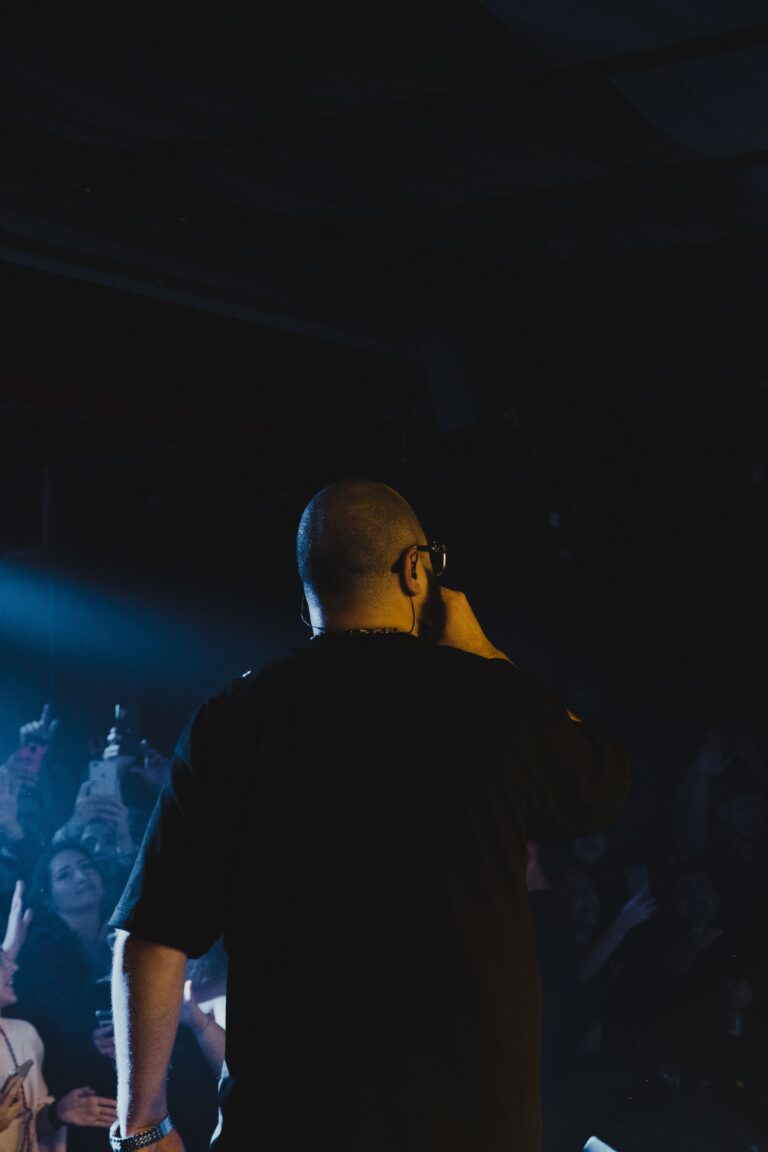
Live memories belong here as well. A recording can change permanently after one performance, one crowd or one night. The song stays the same; what we carry inside it does not.
The Songs We Carry
Over time, I want this to become one of the most human parts of this publication.
Not because every story needs to be profound.
Because taken together they might show something impossible to capture with reviews, charts or streaming numbers.
What music actually does once it reaches people.
A song leaves the studio.
Then we take it somewhere.
Into cars.
Bedrooms.
Relationships.
Hospitals.
Weddings.
Funerals.
Concert halls.
Breakups.
New cities.
Childhoods.
Adulthood.
Memory.
The song does not know where it is going.
Neither does the artist.
Sometimes neither do we.
Years later, we press play.
And discover we have been carrying it the entire time.
Sources / Further Reading
- See the Science of Sound Resource Library section “Memory & Identity” later in this file for the underlying research set.
What song do you carry — and what part of your life lives inside it?
Submission framing:
Tell us the song. Then tell us the story.
It can be a person, place, memory, concert, relationship, beginning, ending or ordinary moment that the music has never stopped carrying.
Privacy note:
Share only what you are comfortable making public. You do not need to name other people or explain every detail for the story to matter.