Music is more than sound.
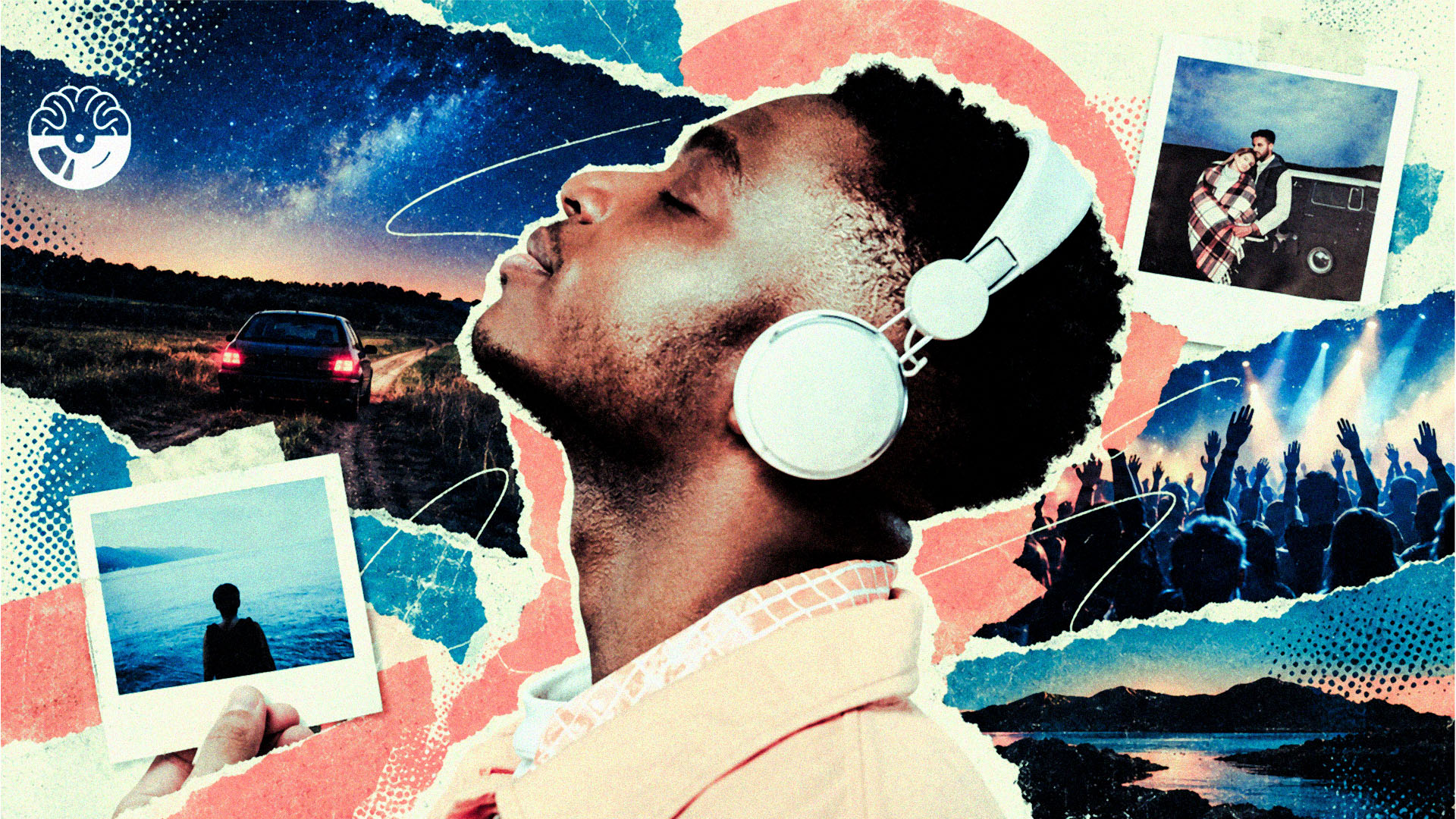
Sometimes it is a person, a room you have not stood in for twenty years, or the exact stretch of road you were driving when somebody called.
Sometimes it is a version of yourself you can barely remember until three notes bring them back.
A song can be four minutes long and still contain an entire year.
That is the thing I keep coming back to.
We spend enormous amounts of time talking about what music is.
Genre, production, songwriting, charts, reviews, streams, influence and taste.
All of those things matter.
But there is another question that interests me more.
What does music do to us?
Not in the abstract.
Actually.
What changes when a song enters a life?
The Recording Is Only the Beginning
An artist writes something.
Maybe it is intensely personal.
Maybe it is fictional.
Maybe it begins with a chord progression, a drum loop, a phrase, an image, a feeling they cannot quite explain.
Then they record it.
Mix it.
Master it.
Release it.
At some point, from the artist's perspective, the work has to become finished enough to let go.
But the meaning is nowhere near finished.
The song leaves the studio and starts encountering people.
Somebody hears it during the best week of their life.
Somebody else hears it after a breakup.
A teenager discovers it twenty years after release.
A parent plays it in the kitchen until their child knows every word without ever deliberately learning them.
A film puts it against an image and changes what millions of people see when they hear it.
A cover removes almost everything familiar and reveals another song hiding underneath.
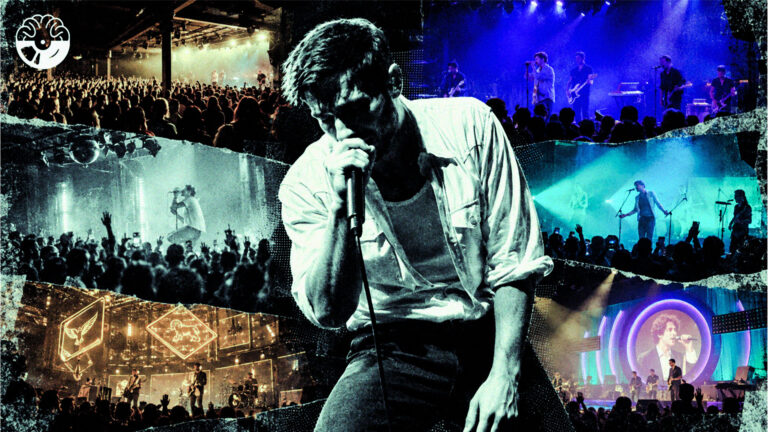
A live performance turns a quiet recording into something a room full of strangers screams together.
The audio file may remain identical.
The experience does not.
Meaning Moves
This is one of the central ideas behind this publication.
The person who made a song matters. Their intention and their life matter too.
The choices made by producers, engineers, musicians, arrangers and everyone else involved in a recording matter.
But the listener matters too.
A song does not enter an empty room.
We bring ourselves with us.
Our memories, biases, relationships, age, culture and expectations all arrive with us.
The person sitting beside us.
The place we hear it.
What happened five minutes earlier.
What happens five years later.
That is why two people can hear the same piece of music and walk away carrying completely different things.
Neither experience needs to cancel the other.
The artist can tell us what they made. The listener can tell us what it became.
Feeling Is Not a Genre
Most of us do not live inside neat musical categories.
We may use them to organize libraries and describe sound, but when we actually reach for music, the need can be much messier.
I need something that gets me moving.
I need something that lets me be angry for four minutes.
I need something that does not ask much of me.
I need something that makes the room feel less empty.
I need the song I played when I was seventeen.
I need to hear somebody sound like they mean it.
I need noise.
I need silence after the noise.
That is one reason Music Is Mental Media will often follow feeling rather than genre.
Not because genre is useless.
Because it is not the whole story.
Radiohead and Little Simz may not occupy the same shelf in a record store.
But they can occupy the same emotional space in somebody's life.
Conviction Matters
There are performances where technical language feels strangely inadequate.
The singer might crack.
The arrangement might be sparse.
The recording might not be perfect.
But something happens and the response is immediate:
I believe this person.
That feeling deserves attention.
What creates it?
The writing?
The voice?
The production?
The band?
The fact that somebody left an imperfection in rather than smoothing it away?
What happens when a producer amplifies the emotional truth of a performance?
What happens when production makes something beautiful but removes the thing that made it feel necessary?
What changes when we hear the same artist live?
Music With Stakes begins there.
Not with a formula for authenticity.
With a question:
Do we believe them?
Live Music Changes the Equation
A recording can be replayed forever.
A live performance cannot.
Even when the setlist is fixed and the musicians know every second, something can still happen.
A mistake.
A pause.
A crowd arriving at a lyric together.
An artist changing the arrangement.
The room becoming completely silent.
The room refusing to stay silent.
A song that barely registered on the album becoming the thing you talk about on the way home.
Live music adds uncertainty, bodies, shared attention and consequence.
The song stops being something that happened in a studio.
It starts happening here.
That difference matters.
Science Can Explain Parts Without Explaining Everything
Music affects bodies and brains.
Researchers study emotion, reward, memory, prediction, synchrony, stress, pain, identity, social connection and the many reasons music can feel so unusually powerful.
That work is fascinating.
It also requires care.
A headline saying "music heals" may be emotionally appealing while being scientifically useless.
Music is not a miracle treatment.
A concert is not literally therapy because a slogan says so.
One study does not prove a universal human truth.
So The Science of Sound will try to do two things at once:
take the research seriously
and
keep the human experience alive.
Understanding a mechanism does not make the experience smaller.
Knowing something about autobiographical memory does not make the song that brings your father back into the room feel less extraordinary.
Sometimes understanding why only makes the question more interesting.
A First Listen Is Not Always the Final Word
Taste moves too.
There are records we love immediately.
There are records we dismiss and return to years later.
There are songs we only understand after seeing them live.
Albums that make sense after another person explains what they hear.
Artists we resist because the hype arrived before the music.
Songs we underestimate because everybody else already loves them.
Things we outgrow.
Things that grow into us.
Criticism should have enough confidence to say what we hear now and enough humility to admit we may hear it differently later.
But it does not always deserve the final word.
Screen Can Give Music Another Life
Film and television can create memories for us too.
A song exists for decades.
Then a scene arrives.
Afterwards the opening notes bring back an image that was never part of the recording.
A composer writes a theme and suddenly a few instrumental notes can return an entire fictional world.
A familiar song appears in an arrangement that feels almost wrong for the setting, and that wrongness becomes the point.
Music changes image.
Image changes music.
Again, meaning keeps moving.
Discovery Should Not Begin With the Numbers
Popularity is useful information.
It tells us that something has travelled.
It can tell us that a lot of people connected with it.
It cannot tell us whether the music will matter to the next person who presses play.
A song with five thousand streams can change somebody's life.
So can the biggest song in the world.
Discovery becomes less interesting when audience size is the first gate.
The better question is:
Is there something here worth hearing?
Sometimes that answer will come from a huge release.
Sometimes from an opening act playing to twenty-five people.
Sometimes from a reader sending us a link with three sentences explaining why we should care.
The Listener Is Not the Endpoint
I do not want this publication to work like a microphone pointed in one direction.
Publish.
Distribute.
Measure.
Repeat.
The people reading have heard things we have not heard.
They have stood in rooms we were not in.
They carry songs for reasons we could never guess.
They will disagree with us.
Good.
A listener should be able to say:
You heard this differently than I did.
You missed this artist.
You need to hear this live version.
That song means something completely different to me.
Here is what happened when I heard it.
The conversation gets better when criticism is not treated as a verdict delivered from above.
The Songs We Carry
Eventually, the most important archive here may not be a review archive at all.
It may be a collection of people explaining why one particular song stayed.
A father.
A hospital.
A wedding.
A tiny venue.
A terrible summer.
A long drive.
A kitchen.
A friend.
A person they lost.
A version of themselves they still meet whenever the song starts.
Those stories do not need to be dramatic to matter.
Sometimes the song is important because your dad sang it badly while making breakfast.
That is enough.
The point is not to prove that music saves everyone.
The point is to document what music actually does once it reaches a life.
This Is Where We Start
There will be reviews here.
Interviews.
Essays.
Playlists.
Live stories.
Science.
Discovery.
Covers.
Scores.
Listener submissions.
Arguments about meaning.
Second listens.
Songs we completely disagree about.
But underneath all of it is one question.
Not:
Is this music objectively good?
Not:
How many people are listening?
Not even:
What did the artist mean?
Those questions can matter.
The larger one is:
What happened when the music reached us?
That is where Music Is Mental Media begins.
The recording finishes.
The meaning keeps happening.
What does music do to you?