There is a sentence people use after concerts that is obviously not literal and still tells you something real.
I needed that.
Sometimes they say:
That was therapy.
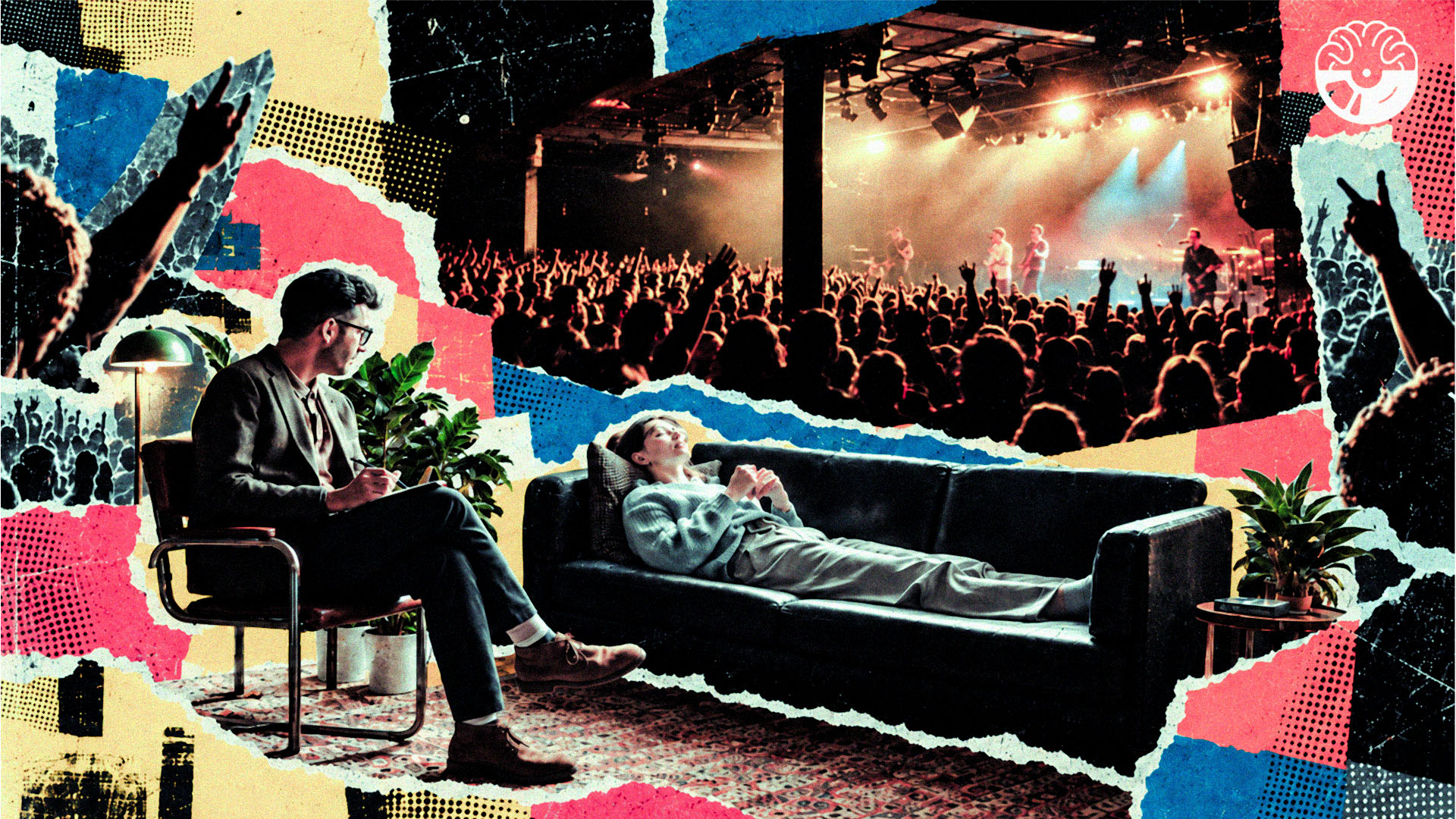
That is where Live Is Therapy comes from.
Not because a concert is psychotherapy.
It is not.
Not because live music cures anything.
It does not.
Because there are nights when music enters a room full of people and does something that is difficult to describe without borrowing language from release, relief, connection or survival.
I want to understand those nights.
The Phrase Is Emotional, Not Medical
This distinction has to remain explicit.
Therapy is healthcare delivered by trained professionals within specific relationships and methods.
A concert ticket is not a substitute.
A festival is not treatment.
An encore does not resolve depression.
"Live Is Therapy" is the language of the listener.
The person saying:
I walked in carrying one thing and left feeling different.
That subjective experience is the story.
A Song Changes When Other People Know It Too
Listen to a favourite song alone.
Then hear the opening note in a room where ten thousand people recognize it simultaneously.
The sound itself has barely begun.
The reaction arrives first.
That recognition changes the song.
Anticipation becomes audible.
The audience tells you what the music means to them before the singer has even reached the first lyric.
That is one of live music's most extraordinary transformations.
The Room Can Become Part of the Arrangement
Crowds sing.
Clap.
Go silent.
Cheer over a line.
Miss the beat.
Hold a note long after the singer stops.
Those things alter pacing and perception.
An artist may leave space because they know the audience will fill it.
A quiet bridge becomes louder because everybody whispers it.
A chorus becomes a wall of voices.
The room is no longer just where the performance happens.
It is contributing to the performance.
When a Version Changes the Song
Not every live performance matters simply because it happened live. The interesting versions are the ones where something shifts: a tempo, a vocal, an arrangement, a pause, the crowd, or the meaning of a line.
If nothing changes, the studio recording may still be the better place to hear the song. But when liveness changes the music, that difference becomes the story.
Did Something Happen in the Room?
This is the second question.
A great live performance is not only a technically strong replication of the record.
Something can happen that exists only in that time and place.
Maybe the audience takes over.
Maybe the artist breaks.
Maybe the band finds a completely different dynamic.
Maybe weather changes the show.
Maybe an opening act performs to twenty-five people and one person in the room discovers a song they will carry for years.
Scale is not the test.
Event is.
Small Rooms Can Be Ruthless
There is nowhere to hide in a tiny venue.
The audience is visible.
The silence is visible.
If somebody talks, everybody hears it.
A singer can look almost every person in the room in the face.
That can make a performance feel exposed in a way an arena cannot.
The smallest shows can produce enormous conviction because the distance between performer and listener has nearly disappeared.
Arenas Can Turn the Private Into Ritual
Then there is the opposite.
A lyric written alone becomes something twenty thousand people scream.
The scale is surreal.
A song about one person's family, grief or insecurity becomes a communal event.
Sometimes the artist seems almost overwhelmed by what came back to them.
Those moments fascinate me because they show listener meaning becoming physical.
The artist releases a private expression.
The audience returns a public ritual.
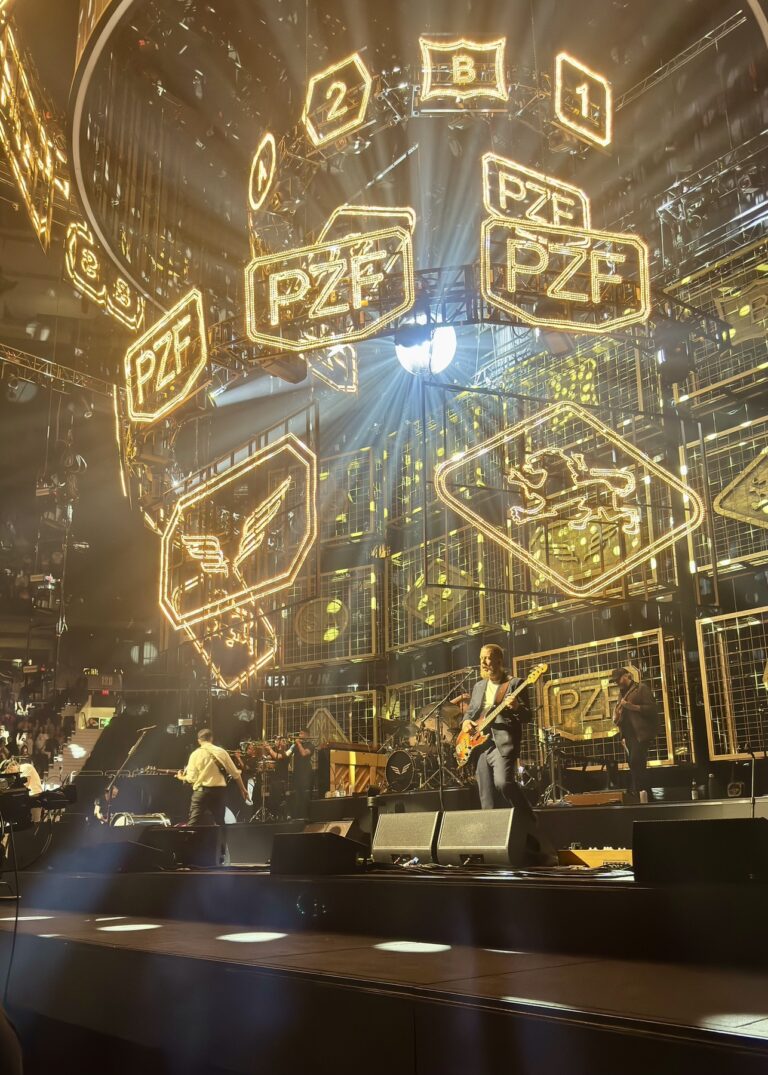
Rogers Arena · Vancouver
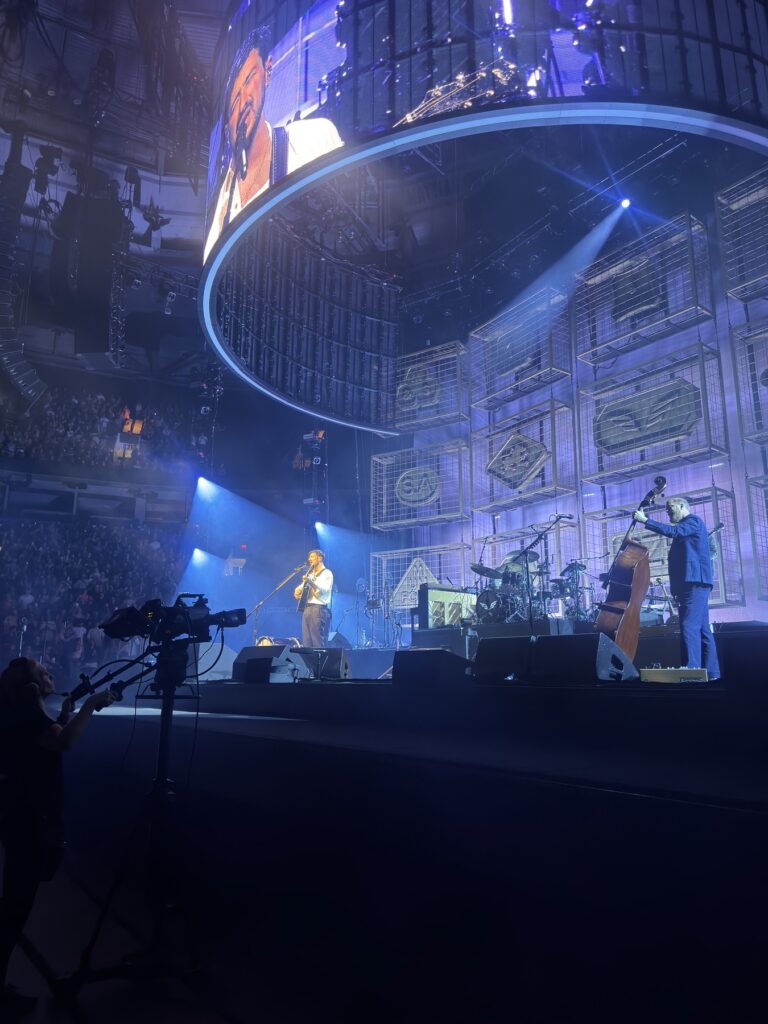
Were You There?
A live story should not only document what happened onstage.
The person in the room matters.
WERE YOU THERE?
Where were you standing?
Who were you with?
What did the song mean before the night?
What happened?
What did it mean afterwards?
A concert review tells us one writer's experience.
A fan story can tell us why one moment entered a life.
Both belong here.
Live Performance Can Change the Song Permanently
You go home.
Play the studio version.
Now the audience is inside it.
You hear the gap where the singer paused.
Remember the lights.
Expect the live vocal change even though it never comes.
The fixed recording has acquired another version in memory.
This is why live music belongs beside The Songs We Carry.
The show ends.
The song keeps the room.
Covers Belong Here Too
A live cover can produce a discovery that never would have happened through an algorithm.
An artist chooses an older song.
Changes the arrangement.
Performs it in a particular room.
Suddenly the listener hears the composition properly for the first time.
Then they go backwards.
Find the original.
Find another version.
The live performance becomes a bridge between musical generations.
That is exactly the kind of story Live Is Therapy and Made Their Own should share.
The Story Is the Change
Sometimes the whole show matters. Sometimes the story is one pause, one unplanned song, one support act, or one line a room carried together.
The useful before-and-after question is simple: what did the song mean going in, and what did it mean coming out?
Therapy Is Not the Claim. Change Is.
That is where the title earns its place.
People use live music for release.
Belonging.
Memory.
Joy.
Grief.
Intensity.
A night away from whatever is waiting outside the venue.
Science can study shared attention, synchrony, social connection and the differences between live and recorded contexts.
But Live Is Therapy is interested in the lived version:
What happened to you in the room?
Songs Change When We Hear Them Together
A recording leaves the studio as one object.
Then a room gets hold of it.
The artist changes.
The audience changes.
The song changes.
Maybe only for that night.
Maybe forever for the people who were there.
That is what this section is for.
Not proof that concerts heal us.
Evidence that songs can become different things when bodies gather around them.
Sources / Further Reading
- See Article 10, "Why Live Music Feels Different," for the Science of Sound evidence base on live versus recorded performance, audience synchrony and social outcomes.
- See Article 09 for group singing and coordinated participation research.
What live performance changed a song for you — and what happened in the room?
Secondary prompt: Were you there? Tell us the moment you still carry.